Don’t Get It Twisted
Was an idea conceived about 20 years ago. I am tankhful this project is here for all to enjoy. The popular aphorism was the spark, to shed light on the misuse of symbols and alleviate ignorance. This is going to be a learning process for all of us.
This brand stands as a reminder that symbols, whether; numbers, shapes or animals, carry meaning, power and history. Too often, the origin gets lost, twisted or commercialised. Here, we reclaim the ancient roots and the living context of these symbols.
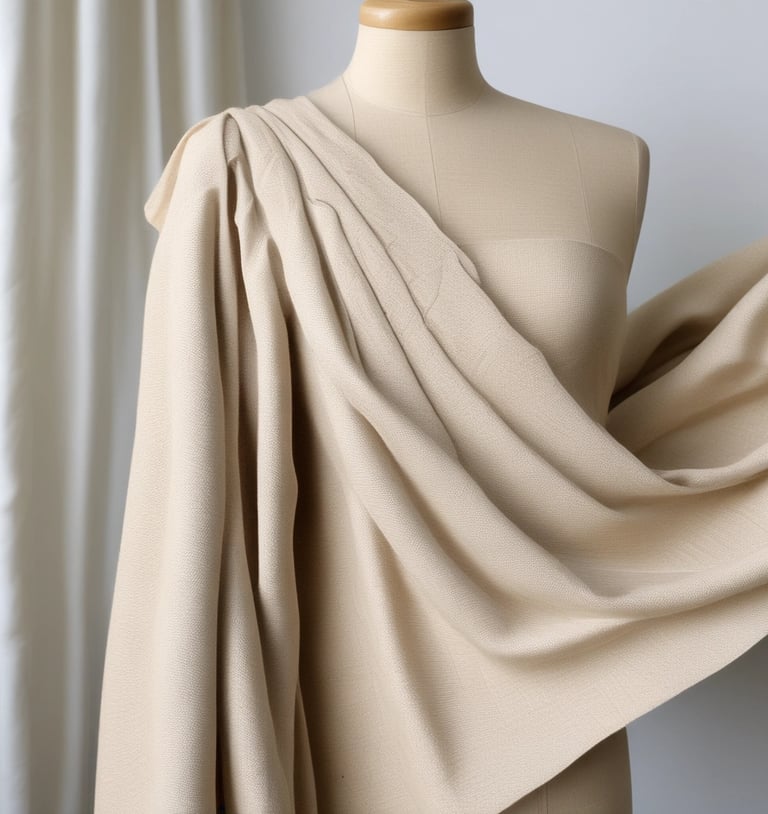
We’re about returning to Source (of it All), to real value, to the knowledge encoded in every sign. Our work is rooted in respect for truth, heritage, and practical wisdom - woven through every design and every choice we make. That’s why our materials matter, we try to ensure all textiles are GOTS Certified - telling these stories from the ground up.
Every symbol is more than an image, it's a story, a lineage and a lesson. We provide our sources and we invite everyone to question, research, trace these roots for themselves and add. This is a safe space for exploration, but also a challenge: Know what you wear. Know what you share.
What is GOTS Certified?
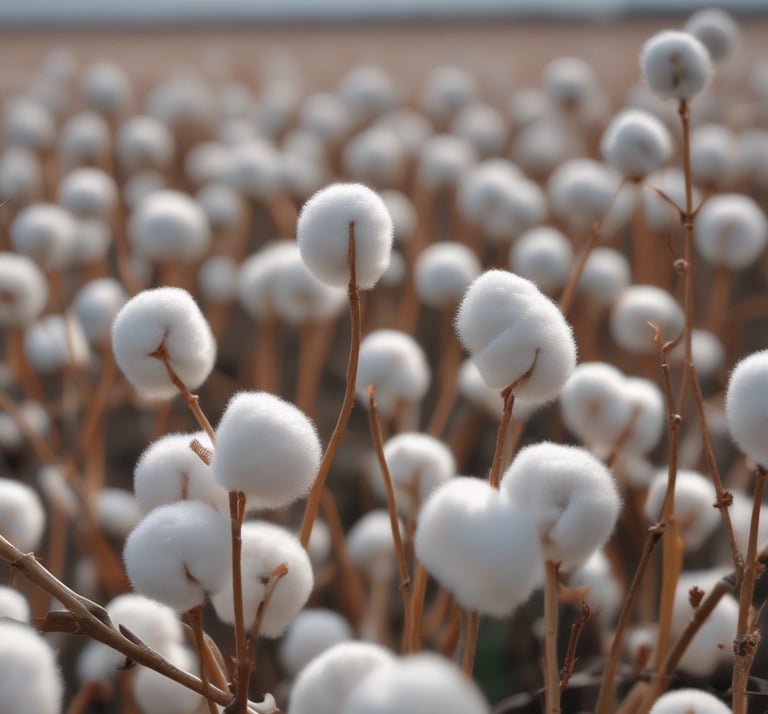
GOTS stands for the Global Organic Textile Standard. It’s the highest international benchmark for organic fibres, tracking every step from the farm to the finished garment. GOTS certification means the fabric starts with organic raw materials—grown without synthetic pesticides, toxic chemicals, or genetically modified seeds. From there, every stage—spinning, dyeing, weaving, finishing, even labelling—must meet strict rules for both environmental impact and worker rights.
GOTS certified apparel isn’t just about being “eco-friendly.” It’s about purity, transparency, and trust. No harmful residues against your skin. No toxic dyes leaching into water. No exploitation behind the seams. Every item can be traced back to its organic source.
Why does this matter?
For the body: GOTS certified fibres are softer, safer, and less likely to irritate sensitive skin. No residues or no hidden toxins; just clean, natural comfort.
For the planet: The entire supply chain is audited for sustainability; less water, less pollution, less waste, more fair treatment for growers and workers.
For frequency: High-quality, organically grown fibres are recognised in many holistic and scientific circles as carrying a higher vibrational frequency, closer to nature and supporting greater harmony with the body’s energy field.
When we say GOTS certified, we mean apparel that is kinder to your skin, kinder to the earth and produced with integrity at every step.